%20(1).png)
Does Deep Tissue Massage Help Sore Muscles?
The day after a demanding workout, a long shift on your feet, or hours at a desk, sore muscles can make simple movement feel like work. A deep tissue massage for sore muscles can be a meaningful source of relief when tightness lingers, mobility feels limited, or a familiar knot keeps returning. The key is choosing the right pressure, timing, and therapist-guided approach for your body.
Deep tissue work is not about enduring as much pressure as possible. At its best, it is focused, thoughtful bodywork that addresses the deeper layers of muscle and connective tissue while keeping your comfort and goals at the center of the session.
How Deep Tissue Massage Helps Sore Muscles
Muscle soreness is not always the same experience. You may be dealing with the dull, widespread ache that follows an unfamiliar workout, a stubborn band of tension across the shoulders, or tight hips and calves from running, commuting, or standing all day. Deep tissue massage is especially useful when soreness is paired with persistent tightness, restricted range of motion, or areas that feel dense and guarded.
A licensed massage therapist uses slower strokes and targeted pressure to work through layers of muscle tissue. This can help calm protective muscle tension, improve circulation in the area, and make movement feel easier. Many clients notice that a shoulder feels less elevated, a low back feels less restricted, or legs feel lighter after a session.
The benefit is not simply pressure. It is the therapist's ability to assess where the body is holding tension and adjust their technique accordingly. A skilled session may include focused deep tissue work in one area, broader Swedish massage strokes to encourage relaxation, and assisted stretching or Thai massage-inspired techniques to support flexibility.
Relief is not the same as pushing through pain
There is a difference between productive intensity and pain that causes you to brace, hold your breath, or pull away. Deep tissue massage can feel strong, particularly in a chronically tight area, but it should remain within a tolerable range. Your therapist should check in, and you should feel welcome to ask for lighter pressure at any time.
More pressure does not automatically mean better results. When the body feels threatened by the intensity, muscles may tighten further. Steady, specific work that allows the nervous system to settle is often more effective than trying to force a knot to release in one appointment.
When a Deep Tissue Massage for Sore Muscles Makes Sense
Deep tissue massage can be an excellent choice for active adults, athletes, busy professionals, and anyone whose daily routine creates recurring strain. It is often helpful for soreness associated with strength training, running, cycling, recreational sports, repetitive work tasks, prolonged sitting, and postural tension.
It may also be appropriate when you have a familiar pattern of discomfort, such as tight traps from computer work, low-back stiffness after travel, or tight glutes and hamstrings that affect walking or exercise. In these cases, regular customized massage may help you stay ahead of the pattern rather than waiting until discomfort becomes disruptive.
Timing matters. If you have typical delayed-onset muscle soreness after a hard workout, gentle to moderate massage may feel more comfortable than an intensely deep session immediately afterward. Some people prefer deep tissue work a day or two after activity, when the initial tenderness has eased. Others benefit from a lighter recovery-focused treatment first, followed by more targeted work once the area is less sensitive.
Your goals should guide the service. If you want to relax and reset after a stressful week, Swedish massage with focused deep tissue attention may be ideal. If mobility is the main concern, a blend of deep tissue work and Thai stretching can offer a different kind of relief. For athletic recovery, sports massage may better match the demands of your training schedule.
What to Expect During Your Session
A good deep tissue massage starts with a conversation. Share where you feel sore, what activities may have contributed, how long symptoms have been present, and what you hope to feel afterward. Mention prior injuries, surgeries, medications, health conditions, and any sensitivity to pressure. This information helps your therapist create a session that is effective without being overly aggressive.
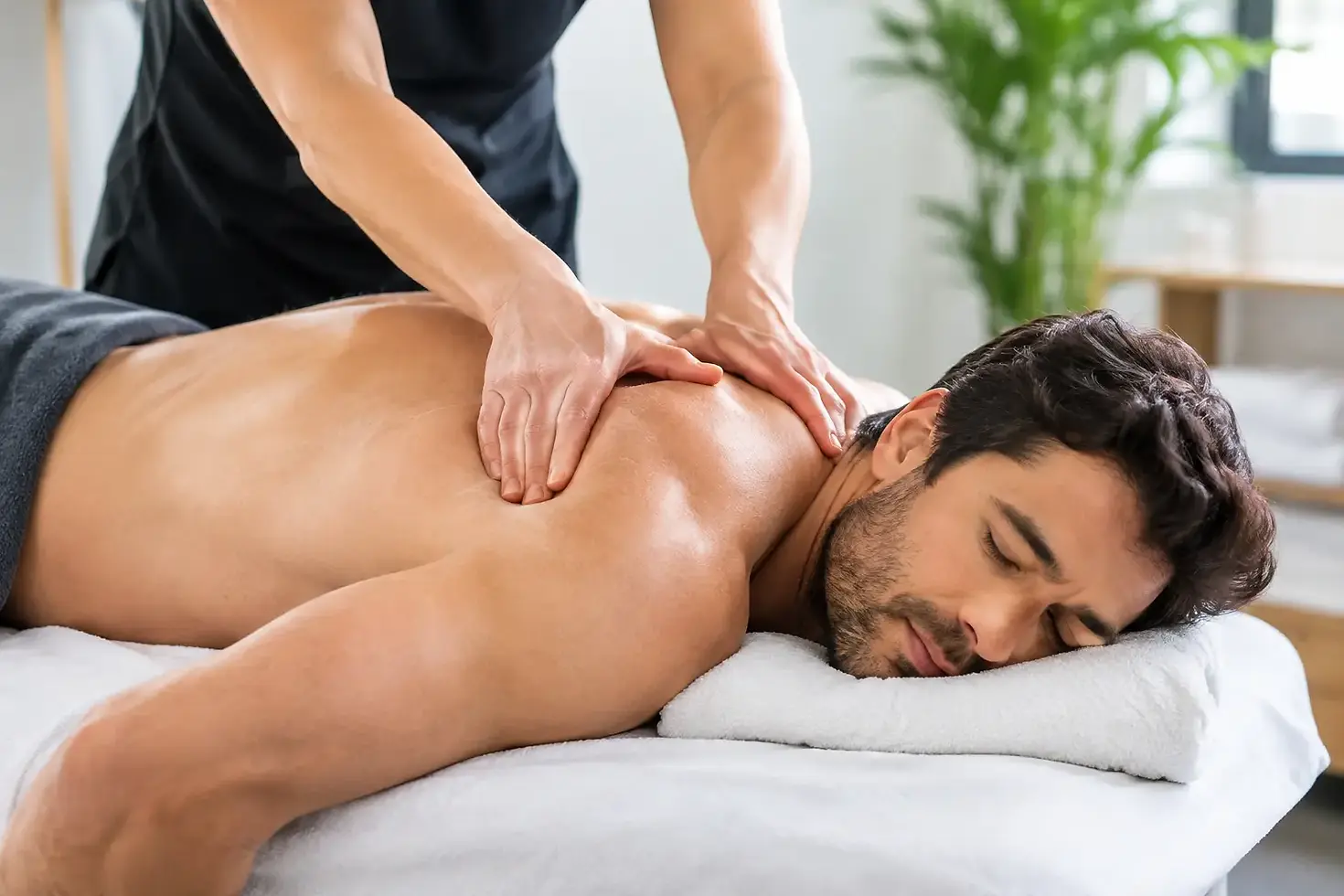
During treatment, the therapist may begin with warming strokes before gradually working into targeted areas. They might use hands, forearms, elbows, or sustained compression, depending on the muscle group and your comfort level. Deep tissue massage does not need to cover every inch of the body with the same pressure. A 60-minute session can be ideal for one or two key regions, while 90 minutes or longer may offer more time for a full-body approach with focused work where you need it most.
You may feel tenderness during a specific technique, followed by a sense of release or warmth. Communication makes the experience better. Let your therapist know if pressure feels sharp, causes numbness or tingling, or remains painful after you ask for an adjustment.
At Araya Thai Massage & Spa, therapists can tailor your session around your current soreness, preferred pressure, and mobility goals, whether you need a short targeted treatment or a longer restorative appointment.
Feeling Sore After Massage: What Is Normal?
It is possible to feel mildly tender after deep tissue work, particularly if muscles were already tight or sensitive. This should generally feel similar to the temporary soreness after exercise and improve within a day or two. Drinking water, eating a nourishing meal, taking a warm shower, and choosing gentle movement can all support a comfortable recovery.
Avoid scheduling an aggressive workout immediately after a deeply focused massage if your body feels tender. A relaxed walk, easy mobility work, or a lighter training day is often a wiser choice. Listen to how your body responds rather than treating post-massage soreness as proof that the session worked.
Massage does not flush toxins from the body, and soreness is not a requirement for progress. The real goal is to help you feel more comfortable, mobile, and supported in the activities that matter to you.
When to Choose a Different Approach
Deep tissue massage is not right for every kind of pain. If you have a fresh injury, significant swelling, unexplained bruising, fever, a skin infection, a suspected blood clot, or sudden severe pain, postpone massage and seek appropriate medical guidance. People with certain conditions, including bleeding disorders, osteoporosis, neuropathy, or circulatory concerns, may need a modified approach.
If muscle soreness is accompanied by weakness, numbness, radiating pain, chest pain, shortness of breath, or symptoms that do not improve, contact a healthcare professional. Massage can be a valuable part of wellness and recovery, but it does not replace medical diagnosis or urgent care.
There are also times when lighter massage is the better choice. Prenatal massage, lymphatic drainage, hot stone massage, and gentle Swedish massage each offer distinct benefits and may be more comfortable depending on your health, energy level, and reason for booking.
Getting Longer-Lasting Relief From Muscle Tension
One massage can create welcome relief, but recurring sore muscles usually respond best to consistent care and a few supportive habits between appointments. Notice what keeps the pattern going. It may be an intense training increase, an ergonomically challenging workspace, inadequate recovery, stress-related jaw and shoulder tension, or simply too little movement during the workday.
Gentle stretching, regular walks, strength work that is progressed gradually, sleep, and enough recovery time can complement massage beautifully. Your therapist can also help you identify which areas deserve attention at your next visit and whether a regular schedule may support your goals.
Your body does not need to earn care by reaching a breaking point. When soreness begins to limit your comfort, movement, or enjoyment of daily life, a customized massage can be a calm, practical way to give your muscles the attention they have been asking for.


Comments